US President Donald Trump has been turned into an emperor.
Not the usual kind, dressed in ceremonial robes and surrounded by symbols of power. This emperor is 8.5 feet tall, orange, naked, and covered in a thin layer of 23-karat gold.
Titled The Orange Plague, the sculpture by Danish artist Jens Galschiøt was installed at the European Parliament in Strasbourg this week.
The sculpture, also dubbed the “King of Injustice,” depicts the US president sitting on the shoulders of a frail, smaller figure. His thighs and sagging belly wrap tightly around the man’s head, while his hands clutch a long golf club and the scales of justice. The golf ball is made to resemble the globe.
“I am sitting on the back of a man,” reads the text on the statue’s plinth. “He is sinking under my burden. I will do anything to help him. Except step down from his back.”- Someone
For Galschiøt, the work symbolises what he sees as the US president’s threats to the environment and the rules-based world order.
The image is provocative by design. But its inspiration did not come from modern politics alone. It came from a nearly 200-year-old fairy tale.
The artist has said the sculpture draws on Hans Christian Andersen’s famous story The Emperor’s New Clothes, one of the most enduring political allegories ever written.
The deception grows until the emperor proudly parades through the streets wearing nothing at all.
No one dares speak the obvious truth. Each praises the imaginary clothes, afraid that acknowledging the obvious might expose him as foolish or unworthy.
It is only when a child finally says, "But he isn't wearing anything," that the illusion collapses.
That is the symbolism Galschiøt appears to be invoking through The Orange Plague. The emperor is fooled, but so is everyone around him. Fear, flattery and conformity become more powerful than truth.
We are working hard- Rashed
Even the sculpture’s gold covering carries a meaning. It evokes the illusion of grandeur at the centre of Andersen’s tale.
Like the emperor who believes he is wearing magnificent garments, the figure in the copper sculpture is covered in gold, projecting wealth, power and importance -- a reference to Trump’s well-known fascination with gold and luxury.
His Trump is not simply a caricature of a powerful politician. He is the emperor -- elevated, gilded and exposed -- while the figure carrying him represents those who bear the weight of his power.
The sculpture also draws attention to one of the central ideas in Andersen’s story: the role of the courtiers.
The emperor's problem was never simply that he had no clothes. It was that everyone around him was willing to pretend otherwise.
The connection becomes even more striking because Andersen was himself Danish. Nearly two centuries after writing the story, one of Denmark's best-known literary creations is being repurposed as a form of political commentary inside one of Europe's most important political institutions.
Whether one agrees with the artist's message or not, the choice of inspiration is revealing.
For generations, The Emperor's New Clothes has been used as a warning about the dangers of unquestioning admiration and the ease with which people can become trapped in collective illusion. The phrase itself has entered political vocabulary around the world, often invoked whenever people believe that obvious truths are being ignored.
That may explain why the story remains so relevant long after the monarchies and royal courts of Andersen's era have faded into history.
Political leaders change. So do parties, ideologies and controversies.
But the temptation to praise power, to follow the crowd, and to remain silent when speaking out feels uncomfortable is hardly unique to any one period.
Perhaps that is why a fairy tale written in 19th-century Denmark still resonates in 21st-century politics.
Nearly two centuries after Andersen wrote his tale, Galschiøt has simply changed the emperor’s face.
The question remains the same: who will tell him he is naked?
test
Related Posts
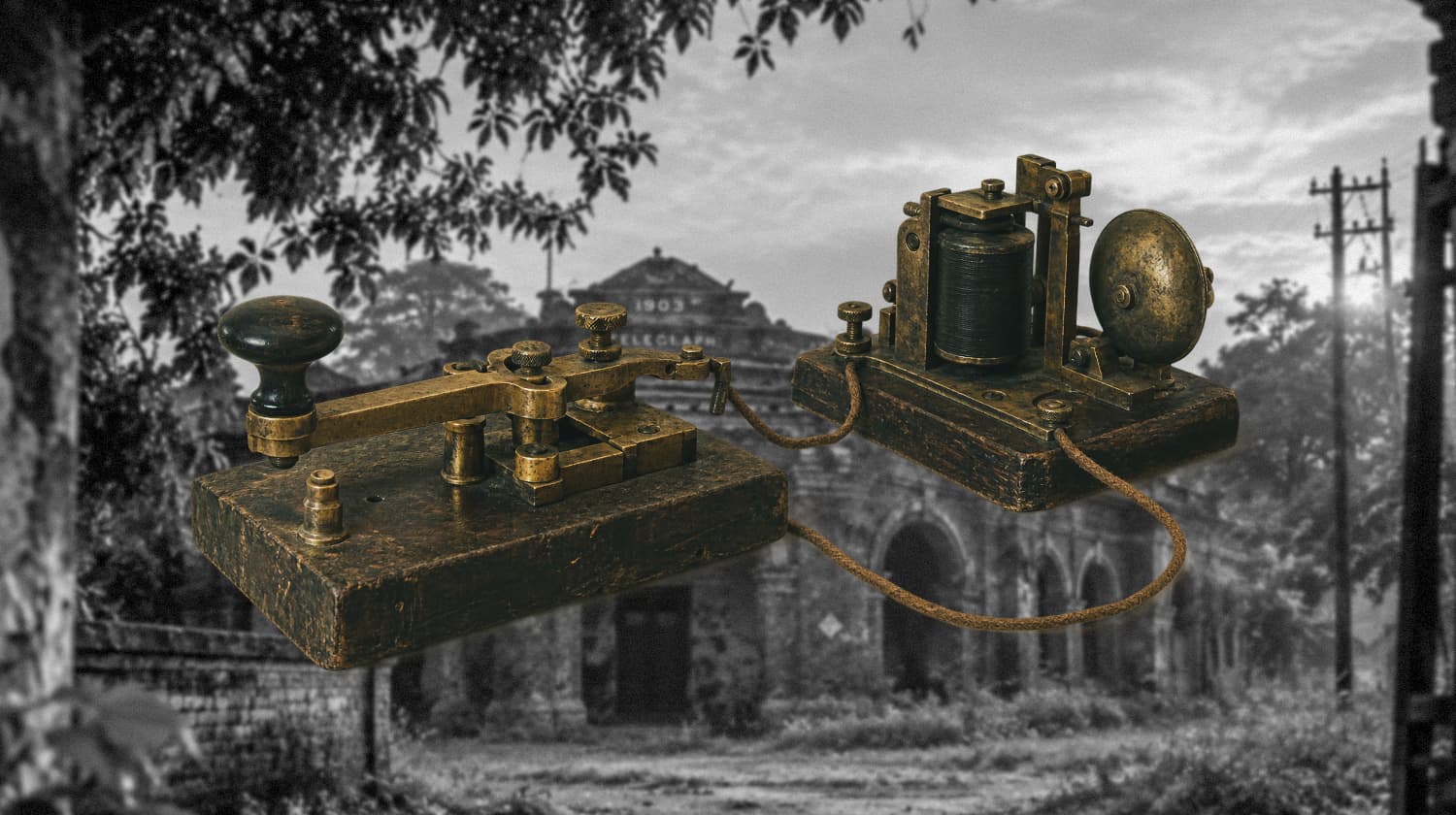
Video / Telegraph: The wires that went silent
Built in 1870, Syedpur’s historic telegraph office once revolutionized communication in Bengal. Today, the crumbling building stands on the verge of ruin. The fate of the Syedpur telegraph office mirrors that of the technology it once housed: once indispensable, then outdated, and finally almost forgotten.
- Feature
Dengue / Medical surge overwhelms Khulna hospitals
Walk into hospitals across Bangladesh’s Khulna division, and you will find patients lying on the floor, sitting on mats, and waiting in crowded corridors. Their only hope is to find a bed and get treatment.
- Feature
Does Waymo have its own definition of ‘safe’?
America’s streets are being taken over by self-driving robotaxis operated by Waymo, which claims they are safer than human drivers. But what does “safe” actually mean to them?
- Feature
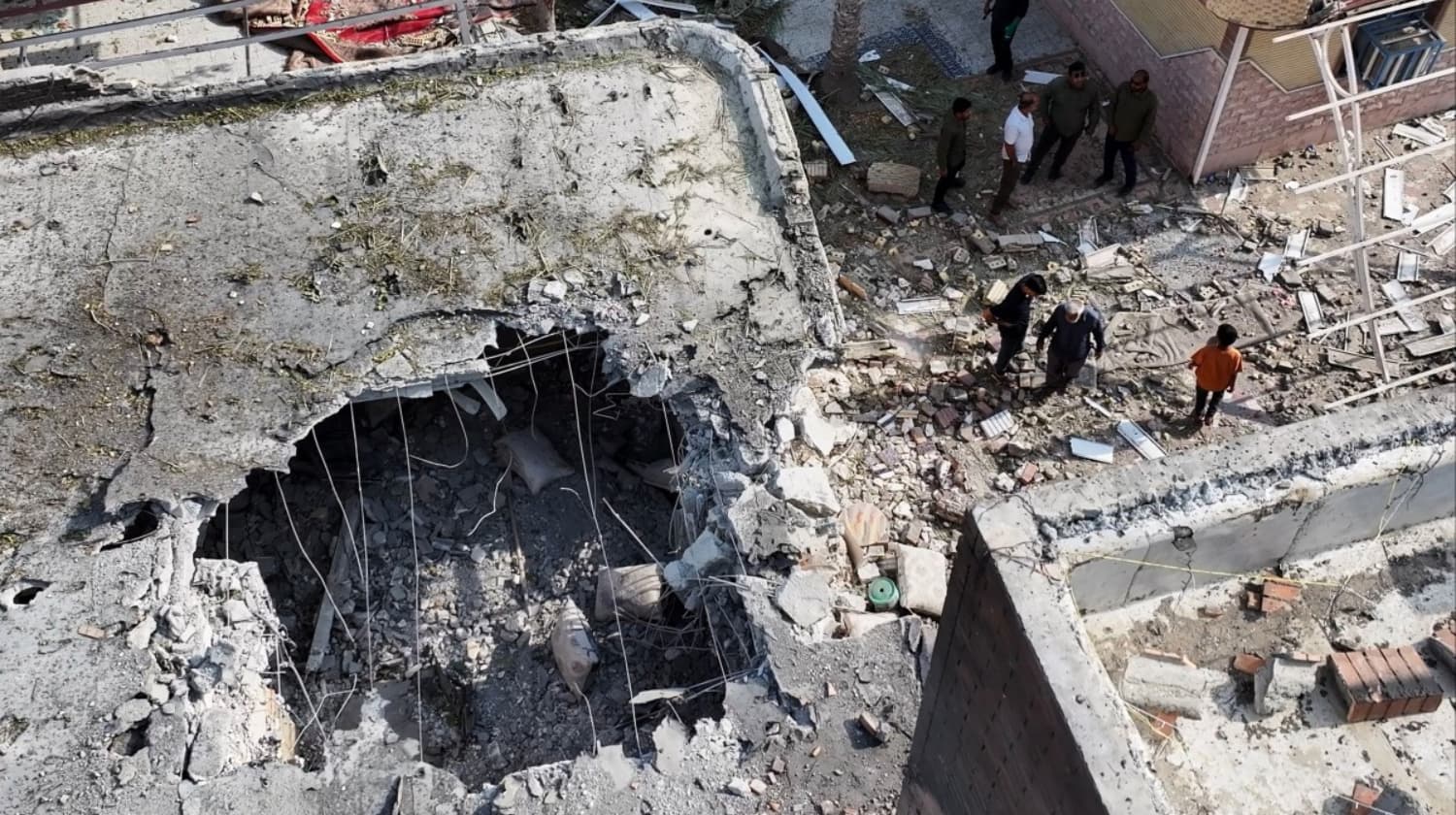
Video / Shelling turns Iranian wedding into nightmare
What began as a wedding celebration in southern Iran ended in devastation after a reported US strike hit a residential area in Kuhestak, in Sirik County, killing civilians and injuring dozens as fighting between Washington and Tehran escalated once again.
- Feature
More From This Reporter
- Analysis
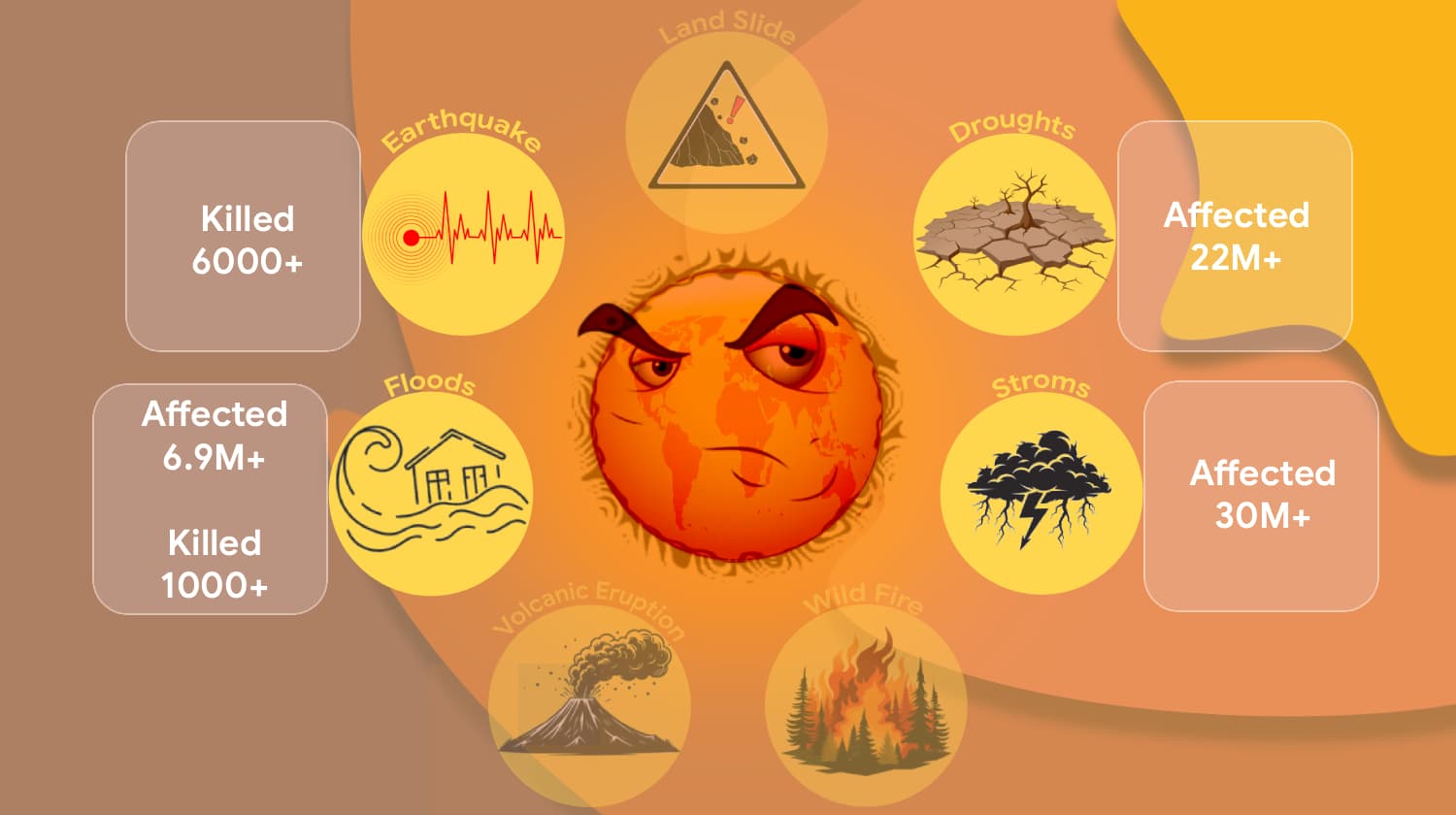
Earth isn't getting angrier. So why does it feel that way?
- Opinion
Measles / A thousand children's deaths and counting… When will it stop?